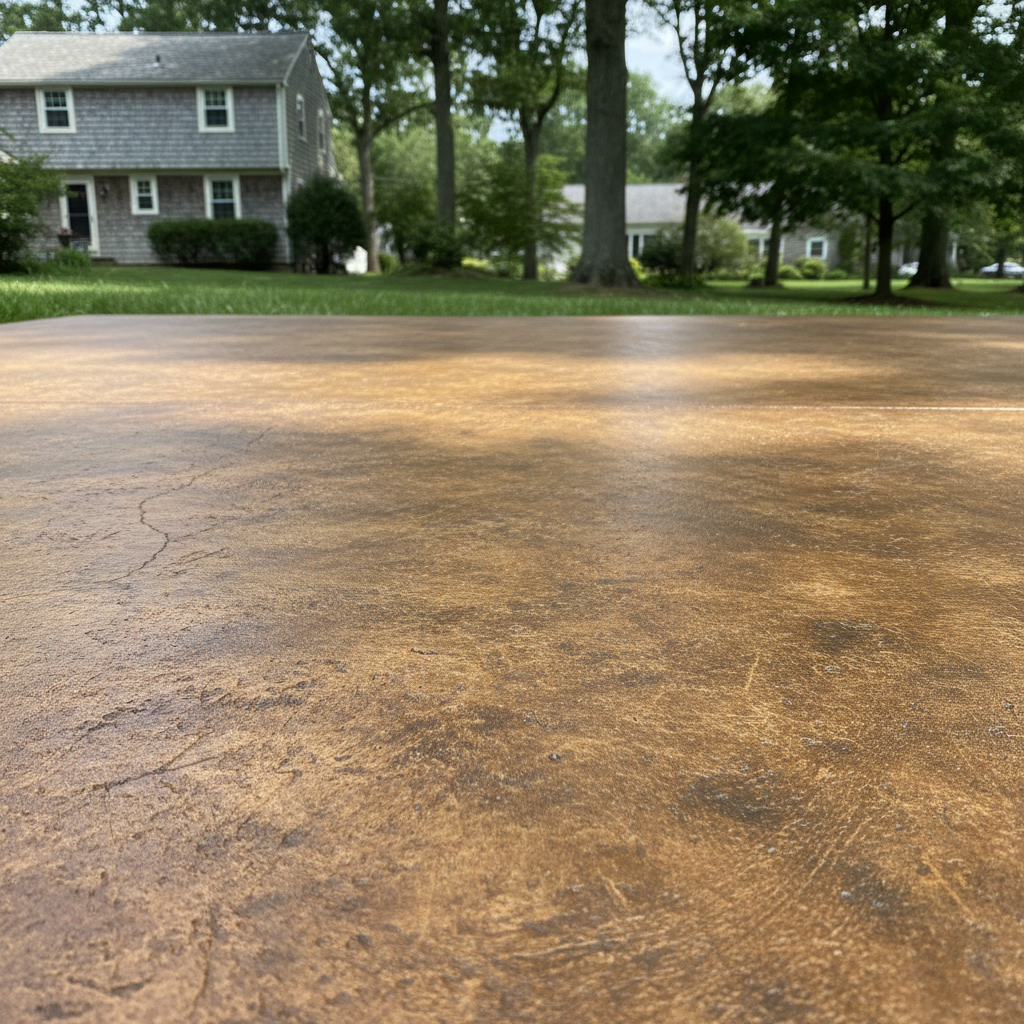
So, you're looking at that plain concrete slab in your backyard or basement and thinking, "Man, I could really jazz that up with some color." Concrete staining is a fantastic way to transform a dull surface into something really eye-catching, and yeah, some folks can absolutely tackle it themselves. But before you run out and buy a bucket of stain, let's talk about what you're really getting into.
Before You Even Think About Staining
First off, not all concrete is created equal when it comes to staining. You've got to assess your surface. Is it new concrete, or has it been there for decades? Has it ever been sealed or painted? These things make a huge difference.
- Cleanliness is King: I can't stress this enough. If your concrete isn't spotless, your stain won't penetrate evenly, and you'll end up with a splotchy mess. You'll need to power wash outdoor surfaces, maybe even degrease them if there's oil or grease. For indoor concrete, a good scrub with a stiff brush and a concrete cleaner is usually enough. Make sure it's completely dry before you do anything else.
- Existing Coatings: If your concrete has any kind of sealer, paint, or epoxy on it, staining isn't going to work. Stains need to soak into the concrete, and a coating will block that. You'll have to strip that stuff off first, which is a whole other project in itself and can be pretty labor-intensive.
- Cracks and Damage: Staining won't hide imperfections; it'll often highlight them. If you've got significant cracks or spalling, you'll want to repair those first. Just know that the patched areas might take the stain differently than the original concrete, so you might see some variation.
- Test Patch: Seriously, don't skip this. Find an inconspicuous spot – maybe in a corner, or under where a planter will go – and apply the stain. See how it looks when it's dry and sealed. Concrete is porous, and every slab is different. What looks great on a sample might look completely different on your particular concrete.
Choosing Your Stain: Acid vs. Water-Based
There are two main types of concrete stains homeowners usually consider:
- Acid Stains: These react chemically with the minerals in the concrete, creating a translucent, mottled, marble-like effect. The colors are usually earthy tones – browns, greens, blues. You don't get a solid, opaque color with acid stains; it's more like a variegated wash. The results can be stunning, but they're unpredictable because the chemical reaction depends entirely on your concrete's composition.
- Water-Based Stains: These are more like a translucent paint. They don't react chemically but rather penetrate the surface. You get a wider range of colors, and they're generally easier to apply and more consistent in their results. They're also safer to work with since they don't involve harsh acids.
For most DIYers, I'd recommend starting with a water-based stain. They're more forgiving.
The Staining Process (DIY Level)
Okay, you've prepped, you've patched, you've picked your stain. Now what?
- Protect Everything: Mask off walls, trim, landscaping, anything you don't want stained. Stains, especially acid stains, can be tough to remove.
- Application: For water-based stains, a pump sprayer is usually your best friend for large areas. You want even coverage. For acid stains, you'll definitely need an acid-resistant sprayer. Apply in thin, even coats. Don't let it puddle. Work in small sections, keeping a wet edge.
- Multiple Coats: You'll likely need two coats, maybe more, to get the depth of color you want. Let each coat dry completely before applying the next.
- Neutralize (Acid Stains Only): If you used an acid stain, you absolutely have to neutralize it with an ammonia or baking soda solution after it's done reacting and you've cleaned off the residue. If you skip this, the acid keeps working and can damage the concrete or interfere with the sealer.
- Rinse and Dry: After staining (and neutralizing if applicable), rinse the surface thoroughly to remove any residue. Let it dry completely – and I mean completely – before moving on. This could take a day or two, especially in our humid East Haven summers.
The Crucial Final Step: Sealing
Stain isn't durable on its own. You have to seal it. The sealer protects the color, makes it easier to clean, and adds durability. There are different types of sealers – acrylic, epoxy, urethane – offering various levels of protection and sheen. For outdoor patios, you'll want a good quality, UV-resistant acrylic sealer. For indoor floors, you might go for something with more abrasion resistance. Apply a couple of thin, even coats of sealer. Too thick, and it can peel or bubble.
When to Call Synergy Concrete East Haven
Look, I'm all for homeowners tackling projects they feel comfortable with. But there are times when it's just smarter to bring in a pro. Here's when you should probably give us a call:
- Large or Complex Areas: If you're talking about a huge patio, a whole basement floor with lots of nooks and crannies, or intricate designs, that's a big job for a DIYer.
- Existing Coatings: If your concrete has old paint or epoxy that needs to be removed, that's a tough, messy, and sometimes hazardous job that often requires specialized equipment.
- Significant Damage: If your concrete is heavily cracked, spalled, or uneven, repairing it properly before staining takes experience to make sure the repairs blend in as much as possible.
- Inconsistent Results: If you've tried a test patch and it just looks weird, or you're nervous about getting an even finish, don't risk ruining your whole slab.
- Specific Aesthetic Goals: If you have a very particular look in mind – say, a multi-color design, or a super high-gloss finish – achieving that takes skill and the right tools.
Staining concrete can be a really rewarding project, and for smaller, well-prepped areas, it's definitely something you can do yourself. But don't underestimate the prep work, and know your limits. Sometimes, investing in professional help from Synergy Concrete East Haven saves you headaches, time, and money in the long run, especially if you're dealing with an older slab that's seen a few tough winters out here.