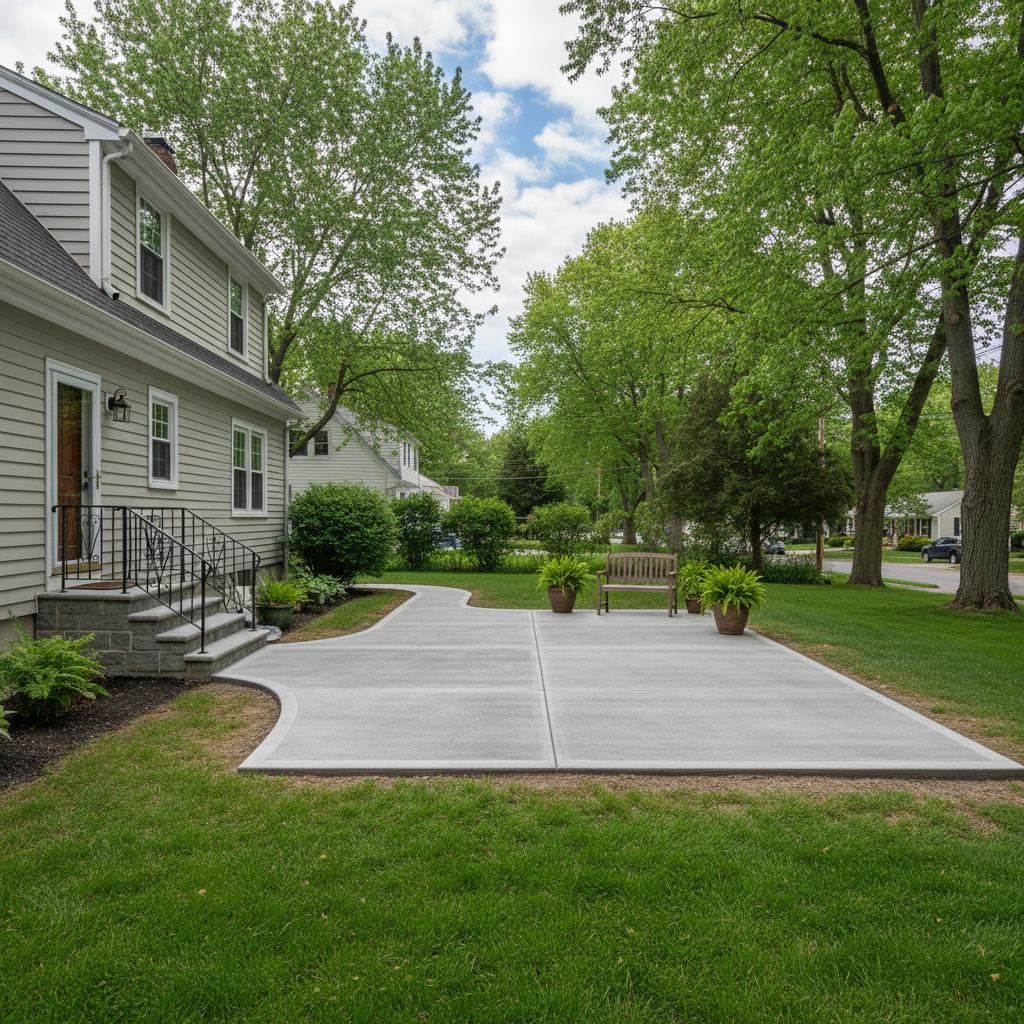
Getting Your Concrete Project Right in East Haven
You're looking to put in a new driveway, patio, or walkway here in East Haven. That's a great investment for your home, but if you don't time it right, you could be setting yourself up for problems down the road. Our New England weather isn't exactly forgiving, and concrete is a lot more sensitive to temperature and moisture during installation than most folks realize. I've seen it all in my years doing this work around town, from beautiful jobs that stand the test of time to projects that crack prematurely because someone rushed it or didn't understand the local climate.
So, when's the best time to pour concrete around here, and what do you need to watch out for?
The Sweet Spot: Spring and Fall
For most concrete work in East Haven, spring and fall are your best friends. We're talking late April through June, and then again from September through October. Why those windows?
- Consistent Temperatures: Concrete cures best when the temperature stays pretty stable, ideally between 50 and 80 degrees Fahrenheit. In spring and fall, we usually get those Goldilocks conditions – not too hot, not too cold.
- Less Extreme Weather: You're less likely to get those scorching summer days that dry out concrete too fast, or the sudden deep freezes of winter that can stop the curing process dead in its tracks.
- Optimal Moisture: There's usually enough natural humidity in the air during these seasons to help the concrete cure slowly and strongly, without it drying out too quickly.
When it's too hot, the water in the mix evaporates too fast, weakening the concrete and making it more prone to cracking. When it's too cold, the water can freeze before the concrete gains enough strength, which is a recipe for disaster. We're talking about the molecular structure here; you can't rush it.
Why Summer and Winter Are Tricky
Can you pour concrete in July or January? Sure, you can. But it's a lot harder to get right, and it often costs more because of the extra precautions needed. We've done plenty of summer pours, but you've got to be on top of it. You're dealing with:
- High Heat: We often have to add retarders to the mix to slow down the setting time, or use special curing compounds to keep the moisture in. Sometimes, we'll even set up temporary shade structures or mist the concrete to keep it from drying too fast.
- Sudden Storms: Summer thunderstorms can pop up fast. A sudden downpour on fresh concrete can wash away the cement paste, weakening the surface and leaving it pitted. We're always watching the radar like hawks.
Winter is even tougher. Below 40 degrees Fahrenheit, concrete basically stops curing. If it freezes before it reaches about 500 psi of strength, it's permanently damaged. We can use heated blankets, accelerators in the mix, and enclosures, but it adds significant cost and complexity. Honestly, unless it's an emergency or an indoor slab, I usually advise folks to wait until spring. The freeze-thaw cycles we get here, especially in areas like Momauguin where groundwater can be an issue, are brutal on poorly cured concrete.
Protecting Your Investment Year-Round
Once your concrete is in and cured, your job isn't over. You've got to protect it, especially with our crazy weather swings:
- Seal It: This is non-negotiable. I recommend sealing your concrete within the first year, and then every 2-3 years after that. A good quality penetrating sealer will protect against moisture intrusion, freeze-thaw damage, and staining. It's like sunscreen for your concrete.
- Mind the De-icers: Be really careful with de-icing salts in winter. Products containing ammonium sulfate or ammonium nitrate are terrible for concrete and can cause spalling (flaking). Stick to sand for traction, or use de-icers labeled as concrete-safe, like those with calcium chloride or magnesium chloride in moderation. Even then, use them sparingly.
- Clean Regularly: Don't let leaves, dirt, or other debris sit on your concrete for long periods, especially in wet conditions. It can lead to staining and encourage moss or mildew growth. A good sweep and occasional wash with a mild detergent is usually all it takes.
- Address Cracks Promptly: Small cracks can become big problems if left unchecked. Water gets in, freezes, expands, and makes the crack worse. If you see a crack, get it sealed. It's much cheaper to seal a small crack than to replace a whole section of concrete.
Getting your concrete project done right means understanding our local climate and planning accordingly. When you're ready to talk about your project, give us a call at Synergy Concrete East Haven. We'll make sure it's done right, so it lasts.