You’re thinking about a new patio, walkway, or maybe even a driveway, right? And you’ve probably heard about stamped concrete, maybe seen some nice examples around town. Then there’s just… regular concrete. What’s the deal? Which one’s right for your East Haven home? Let’s talk about it, because there’s more to it than just looks.
What is 'Regular' Concrete Flatwork?
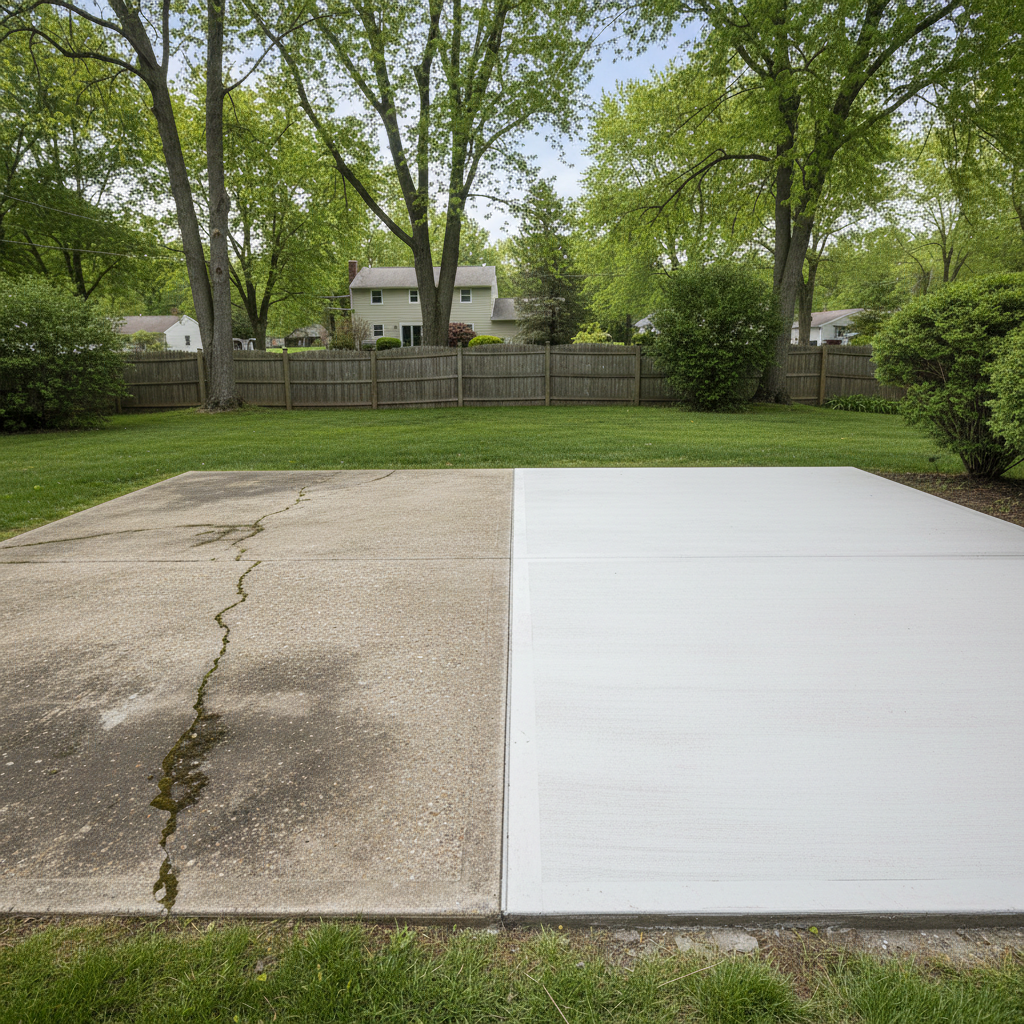
When I say 'regular concrete,' I’m talking about a standard, broom-finished concrete slab. It’s what most people think of when they hear 'concrete.' It’s poured, leveled, and then given a textured finish with a broom to make it slip-resistant. Simple, effective, and it’s been the backbone of construction forever.
The Good Stuff About Regular Concrete
Cost: This is usually the big one for folks. Plain concrete is almost always going to be your most budget-friendly option upfront. Less labor, fewer specialized materials, quicker installation. You’re paying for function and durability without the fancy finish.
Durability: Don’t let anyone tell you regular concrete isn’t tough. It’s incredibly strong and can handle heavy loads, foot traffic, and our wild Connecticut weather cycles just fine. A properly installed slab will last decades.
Maintenance: Super low maintenance. Keep it clean, maybe seal it every few years, and you’re good. You don’t have to worry about patterns wearing off or intricate textures getting damaged.
Versatility: While it might seem plain, you can still do a lot with it. You can add color to the mix, or even stain it later if you want to jazz it up without going full stamped.
The Downsides of Regular Concrete
Appearance: Let’s be honest, it’s not going to win any beauty contests on its own. It’s functional, but it lacks the aesthetic appeal that some homeowners are looking for to enhance their outdoor living spaces.
Curb Appeal: If you’re trying to really boost your home’s curb appeal, a plain concrete path might not give you the 'wow' factor you’re after compared to something more decorative.
What is Stamped Concrete Flatwork?
Stamped concrete is where we take that same durable concrete base and, while it’s still wet, press patterns and textures into it to mimic other materials. Think brick, flagstone, wood planks, cobblestone – you name it. We also add color, often multiple colors, to make it look even more authentic.
The Good Stuff About Stamped Concrete
Appearance: This is its superpower. Stamped concrete can look absolutely stunning. You can get the high-end look of natural stone or brick at a fraction of the cost of the real thing. It really elevates your outdoor areas.
Customization: The options are practically endless. Different patterns, different colors, borders, custom designs. You can truly make it unique to your home’s style.
Curb Appeal: Without a doubt, stamped concrete adds significant curb appeal and can increase your property value. It makes a statement.
Durability (with a caveat): The concrete itself is still incredibly durable. It’s just as strong as regular concrete underneath. The caveat comes with the surface finish, which needs proper care.
The Downsides of Stamped Concrete
Cost: This is usually the biggest hurdle for people. Stamped concrete costs more per square foot than regular concrete. It’s more labor-intensive, requires specialized tools and materials (stamps, release agents, multiple colors), and takes more time to install correctly. You’re paying for the artistry and the intricate finish.
Maintenance: It requires a bit more attention. You absolutely need to seal stamped concrete regularly – usually every 2-3 years, sometimes more often depending on traffic and exposure. This protects the color and pattern and helps prevent fading and wear. If you skip sealing, it'll show.
Repair Complexity: If a section of stamped concrete gets damaged, it can be harder and more expensive to repair seamlessly compared to regular concrete. Matching the exact pattern and color can be tricky.
Slippery When Wet: Depending on the pattern and the finish, some stamped concrete can be slicker than broom-finished concrete, especially if it’s not properly sealed with a non-slip additive. We always recommend adding a non-slip agent to the sealer, especially for areas like pool decks or sloped driveways.
Which One Should You Choose for Your East Haven Home?
Here’s my honest take, based on what I’ve seen working on properties all over East Haven, from the older homes down by the shore in Momauguin to the newer developments up past the high school.
If your main goal is a solid, long-lasting surface that does its job without breaking the bank, and you’re not overly concerned with a decorative finish, then regular broom-finished concrete is a fantastic choice. It’s dependable, affordable, and practically bulletproof, especially when it’s poured right and has proper drainage to handle our freeze-thaw cycles.
However, if you’re looking to create a show-stopping outdoor space, truly enhance your home’s aesthetic, and you’re willing to invest a bit more upfront and commit to regular sealing, then stamped concrete is absolutely worth it. The visual impact is undeniable, and it can transform a plain backyard into an extension of your living space. Just remember, that extra cost isn't just for the looks; it's for the specialized skill and materials that go into making it look that good and keeping it that way.
Ultimately, it comes down to your budget, your aesthetic vision, and how much maintenance you’re willing to put in. Both are excellent choices when installed correctly. Here at Synergy Concrete East Haven, we do both, and we do them well. We can walk you through samples and talk about what makes the most sense for your specific project and property. Don’t hesitate to ask questions; that’s what I’m here for.